Free Web Submission http://addurl.nu FreeWebSubmission.com Software Directory www britain directory com education Visit Timeshares Earn free bitcoin http://www.visitorsdetails.com CAPTAIN TAREK DREAM: News

Showing posts with label News. Show all posts

Monday, June 5, 2017

السعودية ومصر والإمارات والبحرين تعلن قطع علاقاتها الدبلوماسية مع قطر Six Arab governments, including Egypt, cut ties with Qatar over terrorism and 'meddling'


أعلنت كل من المملكة العربية السعودية ومصر والإمارات ومملكة البحرين، الاثنين 5 يونيو، قطع علاقاتها الدبلوماسية مع دولة قطر.

Yemen and Libya's eastern government have joined Egypt, Saudi Arabia, Bahrain and the UAE in severing ties with Qatar on Monday morning, citing its support for Islamist groups and attempts at destabilization within the region

وجاء، في بيان وكالة الأنباء البحرينية، أن مملكة البحرين تعلن سحب بعثتها الدبلوماسية من الدوحة، وإمهال جميع أفراد البعثة القطرية 48 ساعة لمغادرة البلاد، مع استكمال تطبيق الإجراءات اللازمة. كما أمهلت حكومة البحرين المواطنيين القطريين 14 يوما لمغادرة أراضيها.

Six Arab governments, including Egypt, cut diplomatic ties with Qatar early on Monday morning, with Yemen and Libya's eastern-based government among the latest to join the joint effort to isolate Doha.


وأوردت وكالة الأنباء السعودية أن الرياض تقطع علاقاتها الدبلوماسية والقنصلية مع قطر، ونقلت عن مصدر مسؤول قوله إن المملكة قررت إغلاق كافة المنافذ البرية والبحرية والجوية، ومنع العبور في الأراضي والأجواء والمياه الإقليمية السعودية، والبدء بالإجراءات القانونية الفورية للتفاهم مع الدول الشقيقة والصديقة والشركات الدولية، لتطبيق هذا الإجراء بأسرع وقت ممكن، لكافة وسائل النقل، من وإلى دولة قطر، وذلك لأسباب تتعلق بالأمن الوطني السعودي.

The nations have cited Qatar's support for Islamist groups and alleged meddling in the affairs of other states.

The Gulf states of Saudi Arabia, Bahrain and the UAE were among those cutting relations with Qatar, further deepening a rift among members of the Gulf Cooperation Council, of which Qatar is a member.

بيان قطع الرياض لعلاقاتها الدبلوماسية مع قطر

تعلن المملكة العربية السعودية أن قطع علاقاتها مع قطر هدفه "حماية أمنها الوطني من مخاطر الإرهاب والتطرف"، ونتهم قطر بإرتكاب "انتهاكات جسيمة سرا وعلنا لشق الصف السعودي".

أن الرياض انطلاقاً من ممارسة حقوقها السيادية التي كفلها القانون الدولي، وحماية لأمنها الوطني من مخاطر الإرهاب والتطرف، فإنها قررت قطع العلاقات الدبلوماسية والقنصلية مع دولة قطر، كما قررت إغلاق كافة المنافذ البرية والبحرية والجوية، ومنع العبور في الأراضي والأجواء والمياه الإقليمية السعودية، والبدء بالإجراءات القانونية الفورية للتفاهم مع الدول الشقيقة والصديقة والشركات الدولية لتطبيق ذات الإجراء بأسرع وقت ممكن لكافة وسائل النقل من وإلى دولة قطر، وذلك لأسباب تتعلق بالأمن الوطني السعودي.

"السعودية اتخذت قرارها الحاسم هذا نتيجة للانتهاكات الجسيمة التي تمارسها السلطات في الدوحة، سرا وعلنا، طوال السنوات الماضية بهدف شق الصف الداخلي السعودي، والتحريض للخروج على الدولة، والمساس بسيادتها، واحتضان جماعات إرهابية وطائفية متعددة تستهدف ضرب الاستقرار في المنطقة"، ومنها جماعة (الإخوان المسلمين) و(داعش) و(القاعدة)، والترويج لأدبيات ومخططات هذه الجماعات عبر وسائل إعلامها بشكل دائم، ودعم نشاطات الجماعات الإرهابية المدعومة من إيران في محافظة القطيف من المملكة العربية السعودية، وفي مملكة البحرين الشقيقة وتمويل وتبني وإيواء المتطرفين الذين يسعون لضرب استقرار ووحدة الوطن في الداخل والخارج، واستخدام وسائل الإعلام التي تسعى إلى تأجيج الفتنة داخليا، كما اتضح للمملكة العربية السعودية الدعم والمساندة من قبل السلطات في الدوحة لميليشيا الحوثي الانقلابية، حتى بعد إعلان تحالف دعم الشرعية في اليمن.

"الرياض إتخذت هذا القرار تضامنا مع مملكة البحرين الشقيقة التي تتعرض لحملات وعمليات إرهابية مدعومة من قبل السلطات في الدوحة".

و"منذ عام 1995، بذلت المملكة العربية السعودية وأشقاؤها جهوداً مضنية ومتواصلة لحث السلطات في الدوحة على الالتزام بتعهداتها، والتقيد بالاتفاقيات، إلا أن هذه السلطات دأبت على نكث التزاماتها الدولية، وخرق الاتفاقات التي وقعتها تحت مظلة دول مجلس التعاون لدول الخليج العربية، بالتوقف عن الأعمال العدائية ضد المملكة، والوقوف ضد الجماعات والنشاطات الإرهابية ، وكان آخر ذلك عدم تنفيذها لاتفاق الرياض".

و أنه "إنفاذاً لقرار قطع العلاقات الدبلوماسية والقنصلية يمنع على المواطنين السعوديين السفر إلى دولة قطر، أو الإقامة فيها، أو المرور عبرها، وعلى المقيمين والزائرين منهم سرعة المغادرة خلال مدة لا تتجاوز 14 يوماً، كما تمنع، بكل أسف، لأسباب أمنية احترازية دخول أو عبور المواطنين القطريين إلى المملكة العربية السعودية، وتمهل المقيمين والزائرين منهم مدة 14 يوماً للمغادرة، مؤكدة التزامها وحرصها على توفير كل التسهيلات والخدمات للحجاج والمعتمرين القطريين".

و أن "المملكة العربية السعودية تؤكد أنها صبرت طويلاً رغم استمرار السلطات في الدوحة على التملص من التزاماتها، والتآمر عليها، حرصاً منها على الشعب القطري الذي هو امتداد طبيعي وأصيل لإخوانه في المملكة، وجزء من أرومتها، وستظل المملكة سنداً للشعب القطري الشقيق وداعمة لأمنه واستقراره بغض النظر عما ترتكبه السلطات في الدوحة من ممارسات عدائية".


The move began on Monday morning with Bahrain announcing that it was cutting diplomatic ties with Qatar and closing all transport links, according to Bahrain's state news agency. Bahrain cited alleged meddling in its internal affairs by Qatar.

Bahrain's action was followed by GCC ally Saudi Arabia, which said it was cutting ties on the grounds of "protection of national security", as announced by the Saudi state news agency.

ولم تمض دقائق حتى اتخذت القاهرة قرارا مشابها، يرتكز على ما تقول إنه دعم الدوحة للتنظيمات الإرهابية وتعزيزها بذور الفتنة والانقسام داخل المجتمعات العربية. وذلك وفق بيان صدر عن الخارجية المصرية.


The the SPA news agency said that Qatar “embraces multiple terrorist and sectarian groups aimed at disturbing stability in the region, including the Muslim Brotherhood, ISIS and Al-Qaeda, and promotes the message and schemes of these groups through their media constantly.”

The UAE, Yemen and Egypt then followed suit, with the eastern-based government of war-torn Libya finally joining the diplomatic action to isolate Qatar.

Egypt announced the closure of its airspace and seaports for all Qatari transportation to protect its national security, the foreign ministry said in a statement.

ثم سرعان ما أعلنت أبوظبي تأييد قرارات الدول السابقة ذكرها، فقررت بدورها إغلاق كافة المنافذ البحرية والجوية أمام الحركة القادمة والمغادرة إلى قطر خلال 24 ساعة.


وقالت وكالة أنباء الإمارات، على حسابها في موقع "تويتر": "الإمارات، تقرر قطع العلاقات مع قطر، بما فيها العلاقات الدبلوماسية وإمهال البعثة الدبلوماسية القطرية 48 ساعة لمغادرة البلاد".

وأضافت أن "الإمارات تقرر منع دخول وعبور المواطنين القطريين إلى الدولة... الإمارات تمنع المواطنين الإماراتيين من السفر إلى دولة قطر والإقامة فيها والمرور عبرها".

"Qatar's policy threatens Arab national security and sows the seeds of strife and division within Arab societies according to a deliberate plan aimed at the unity and interests of the Arab nation," the statement read.

Egypt accused the Gulf Arab state of supporting "terrorist" organisations, including the Muslim Brotherhood.

Yemen also cut ties with Qatar, saying it supported the decision by the Saudi-led coalition to end Qatar's participation in the war there. The government of President Abed Rabbo Mansour Hadi said it severed ties with Qatar in part over is support of extremist groups in Yemen "in contradiction with the goals announced by the countries supporting the legitimate government."

Saudi Arabia also said Qatari troops would be pulled from the ongoing war in Yemen.

إضافة إلى ما سبق، أعلنت السعودية والبحرين إنهاء مشاركة القطريين في قوات التحالف العربي في اليمن.


The move to isolate Qatar was joined by Libya's eastern government later on Monday morning, according to its foreign minister, Mohamed Dayri. The eastern-based government is aligned with military commander Halifa Haftar, with whom Egypt has joined in recent military operations against Daesh terrorist camps in Libyan territory.

Daesh is among the terrorist groups that Qatar is accused of supporting across the region.

Bahrain and the UAE announced that their diplomatic staff had 48 hours to return from Qatar.

تجدر الإشارة إلى أن الأزمة الخليجية اندلعت إبان نشر وكالة الأنباء القطرية "قنا" تصريحات لأمير قطر، الشيخ تميم بن حمد آل ثاني، حول إيران، نفتها لاحقا مؤكدة اختراق موقعها.

Travel disruption

The move to isoloate Qatar has sparked fears of widespread travel disruption, with flights among the most seriously affected.

Saudi Arabia, Bahrain and the UAE announced that their citizens would be given 14 days to make arrangements before a ban would be imposed on travel to and from Qatar.

The Abu Dhabi-based airline Etihad says it has suspended flights to Qatar. Etihad said on its website Monday that "until further notice" its last flights would leave early Tuesday morning.

ويذكر أن التصريحات التي نقلت عن أمير قطر، أثناء رعايته حفل تخريج الدفعة الثامنة من مجندي الخدمة الوطنية في ميدان معسكر الشمال الشهر الماضي تقول: "إيران تمثل ثقلا إقليميا وإسلاميا لا يمكن تجاهله، وليس من الحكمة التصعيد معها، مؤكدا أنها قوة كبرى تضمن الاستقرار في المنطقة".

Qatar Airways said on its official website on Monday that it had suspended all flights to Saudi Arabia.
Qatar is also home to the sprawling Al-Udeid Air Base, which is home to the US military's Central Command and some 10,000 American troops, although no announcements have been made on the future of the US military presence there.

قطر تصدر بيانا حول إجراءات دول عربية ضدها


تعرب وزارة الخارجية القطرية عن أسفها لقرار السعودية والإمارات والبحرين قطع العلاقات مع الإمارة، معتبرة أن هذه الإجراءات غير مبررة وتقوم على مزاعم وادعاءات لا أساس لها من الصحة.

وتضيف وزارة الخارجية، في بيان اليوم بتاريخ الاثنين 5 يونيو ، أن هذه الإجراءات لن تؤثر على سير الحياة الطبيعي للمواطنين والمقيمين، مؤكدة أن قطر ستسعى لإفشال محاولات التأثير على المجتمع والإقتصاد القطريين.

'Unjustified' action

Qatar responded angrily to the joint action to isolate it, describing the move as "unjustified" and aimed at putting Doha under political "guardianship".

"The measures are unjustified and are based on false and baseless claims," the Qatari foreign ministry said in a statement.

"The aim is clear, and it is to impose guardianship on the state. This by itself is a violation of its [Qatar's] sovereignty as a state," it added.

While many Arab media outlets are reporting the developments as a response to Qatar's support for terroism, the Al-Jazeera news organization, which is owned by Qatar, has explained the dispute as stemming from a purported hack of Qatar's state-run news agency.

On 23 May, news emerged that the website and social media accounts of the Qatar News Agency had been hacked, allegedly carrying "fake news" reports relating to Qatari emir Sheikh Tamim bin Hamad Al-Thani.

وتقول وزارة الخارجية، في بيانها اليوم : "لقد تعرضت دولة قطر إلى حملة تحريض تقوم على افتراءات وصلت حد الفبركة الكاملة، ما يدل على نوايا مبيته للإضرار بالدولة، علما بأن دولة قطر عضو فاعل في مجلس التعاون الخليجي وملتزمة بميثاقه وتحترم سيادة الدول الأخرى ولا تتدخل في شؤونها الداخلية كما تقوم بواجباتها في محاربة الإرهاب والتطرف".


قطر تعرب عن أسفها لقرارات الجميع عــدا ""المستهدفة مصــر""

Muslim Brotherhood

Qatar has long faced criticism from its Arab neighbors over its support of Islamists. The chief worry among them is the Muslim Brotherhood, a Sunni Islamist political group outlawed by Egypta, Saudi Arabia and the UAE.

Gulf countries led by Saudi Arabia fell out with Qatar over its backing of former Egyptian President Mohamed Morsi, a Brotherhood member.

In March 2014, Saudi Arabia, the United Arab Emirates and Bahrain recalled their ambassadors from Qatar over the rift.

Eight months later, they returned their ambassadors as Qatar forced some Brotherhood members to leave the country and quieted others. However, the 2014 crisis did not see a land and sea blockade as threatened now.

In the time since, Qatar repeatedly and strongly denied it funds extremist groups.

However, it remains a key financial patron of the Hamas-controlled Gaza Strip and has been the home of exiled Hamas official Khaled Mashaal since 2012.

Western officials also have accused Qatar of allowing or even encouraging funding of Sunni extremists like al-Qaida's branch in Syria, once known as the Nusra Front.

The crisis also comes after US President Donald Trump's recent visit to Saudi Arabia for a summit with Arab leaders.

At that Saudi conference, Trump met with Qatar's ruling emir Sheikh Tamim bin Hamad Al Thani.

"We are friends, we've been friends now for a long time, haven't we?" Trump asked at the meeting. "Our relationship is extremely good."

وأضاف البيان: "من الواضح أن الحملة الإعلامية فشلت في اقناع الرأي العام في المنطقة وفي دول الخليج بشكل خاص وهذا ما يفسر التصعيد المتواصل".

وتابعت الوزارة في بيانها: "إن اختلاق أسباب لاتخاذ إجراءات ضد دولة شقيقة في مجلس التعاون لهو دليل ساطع على عدم وجود مبررات شرعية لهذه الإجراءات التي اتخذت بالتنسيق مع مصر والهدف منها واضح وهو فرض الوصاية على الدولة وهذا بحد ذاته انتهاك لسيادتها كدولة وهو أمر مرفوض قطعيا".

Monday, September 19, 2016

Exclusive : The Mysterious Ravne Tunnels in Bosnia..Tunnels to the Sun


In 2005, Dr. Semir Osmanagich discovered the Bosnian pyramids in the heart of Bosnia and Herzegovina, in a small town called Visoko. He found five pyramids which he called the Bosnian Pyramid of the Sun, Moon, Dragon, Love, and the Temple of Mother Earth. 


In addition, he found a tunnel, called Ravne, which is 2.5 kilometers (1.55 miles) from the Bosnian Sun pyramid. When the Ravne tunnel network was first discovered, people called it a cave as it looked like a hole in a hill. However, this would later become one of the most mysterious tunnels in the world.


The entrance to the Ravne tunnels in 2006

Materials in the Ravne Tunnels

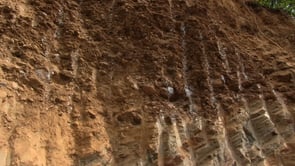
When the Ravne tunnels were first discovered, one could only enter for some meters. The tunnel was filled with a loose material which had a brownish color and was very soft. This is called the “filling material.” The walls of the tunnels were made of conglomerate and it seemed like someone dug through this conglomerate many years ago. The conglomerate has a different color and texture than the filling material.


Many that are against the Bosnian pyramid project claim that the foundation Archaeological Park: Bosnian Pyramid of the Sun, is making these tunnels themselves. However, this is not true, as one can clearly see by studying the different materials. If the foundation was digging the tunnels, then only one material would be found - and that material would be the conglomerate. However, the foundation is following the filling material and excavating it. There are two different materials in the Ravne tunnels.


Two of the main tunnels. The filling material is in the middle, while the walls, which are the conglomerate, are on the sides. Picture taken in 2011.

Not only that, but there are also dry walls in the tunnels which block the different side tunnels halfway. Almost every place that there is dry wall there is also a side tunnel with filling material which only leaves some centimeters of empty space at the top.


There are several side tunnels with different dry walls that are found in the underground site. In summary, there is evidence that some cultures or civilizations were involved in the creation of the Ravne tunnels - they are not naturally made.


A typical side tunnel in Ravne. In front you have the dry wall. Behind there is the filling material and on the sides are the walls, which are the conglomerate.


A Gold Mine of the Middle Ages?

There are many hypotheses regarding the Ravne tunnels and its purpose. Several people argue that the tunnels were mines and probably from the Middle Ages. The most common hypothesis is that these were gold mines.


This hypothesis can be easily proven wrong; one just has to study the different materials discovered in the tunnels. To this day, no gold, silver, glass etc. have been found in Ravne. In fact, the Ravne tunnels have almost no materials that were important in the Middle Ages.


Some people also state that these were more modern mines. However, in more recent times, people were mining for coal, and again, there is no coal to be found in Ravne. The materials that are found in Ravne are often conglomerate, sandstone, clay, quartz crystal etc.


People in the Middle Ages did not use their time and efforts to mine for these materials. Furthermore, if this was a gold mine from the Middle Ages, there would have been some historical records about it, but none have been found. Plus, gold would probably have been found in Ravne at some point during excavations, but to this day no gold has been located in the tunnels.


A Mysterious Oil Lamp

In 2012, volunteers made a discovery in one of the tunnel sections in Ravne. It appeared to be an oil lamp from the 17th century. The oil lamp was on top of the filling material and on one side of the tunnel.


This shows that someone entered the Ravne tunnels not so long ago. In my opinion, those who entered the tunnels did not enter from the entrance that was discovered by Dr. Osmanagich in 2006 because that entrance had some halfway closed tunnels.


One may say than that the Ravne tunnels have multiple entrances which are connected to each other. One of these tunnels, which could be a new entrance, is the Ravne 2 tunnel, which was discovered in 2015.


The Ravne 2 tunnel.

Nevertheless, the question remains: what did people do in the tunnels? Many would say that the lamp is evidence for the gold mine theory, but as I have already argued, these were not some kind of gold mines or mines from recent times. In my opinion, those who left the oil lamp were probably exploring the tunnels.


In fact, after the Middle Ages people were often exploring sites in the hopes of finding treasure. So, someone could have found the other entrance to the tunnels and excavated the filling material, went in some meters, and not found any good materials for their time. He/she could have later filled in the tunnels with the same filling material that was in the tunnels, probably to hide the fact that someone entered the tunnels in the first place.


While doing all this, the person forgot about the oil lamp. He/she perhaps did this in secrecy, because they did not want rumors to be spread. If this was a secret, then the individual would get everything if he/she found something good, and there would be no competition with other explorers.


Later, this entrance could have been eroded and destroyed and therefore no one has found that entrance again so far. All this makes sense, because in the 17th, 18th and 19th centuries people were often looking for treasures, mostly because they wanted to get rich.


Often rumors would have been spread that there was gold at ancient places, and individuals would go there, sometimes destroying artifacts, in the hopes of finding gold.


A good example of this is the stone spheres of Costa Rica, where many spheres were destroyed because rumors spread that there were gold and other treasures inside them. Therefore, the section where the oil lamp was discovered could have been an exploration tunnel from more recent times.


The oil lamp that was discovered in Ravne in 2012.

Oxygen Tunnels

If there are multiple entrances that are leading to the Ravne tunnels, which I am sure that there are, it would make sense that the creators made various side tunnels. Perhaps they made different sections of the tunnels as well. Each and every entrance has their own section of tunnels. If the tunnels are going to the Bosnian Sun pyramid, then there are probably also different entrances and sections in the Ravne tunnels.


Now, some side tunnels are very small for humans to enter, even if one excavates the filling material. Some of the side tunnels could be some kind of oxygen tunnels. No matter how deep one goes, one will have excellent breathing conditions. If one goes to a mine, then this would not be true. This could indicate that there are many oxygen tunnels in Ravne and removing the filling material would only make the oxygen stronger.


These oxygen tunnels could lead outside by making small holes in a hill. When there are many tunnels like this, then there would be great airflow and an increase in oxygen. Furthermore, in all of the side tunnels, there is an empty space on the top, for a few centimeters. Maybe the tunnels’ creators made this so that the oxygen flow would not be destroyed. However, this hypothesis still needs much more research.


One of the side tunnels in Ravne. Here you have a fine example of the conglomerate, which are the walls, and the filling material in the middle.

Rabbit Holes and Dry Walls

One of the most interesting tunnels is the tunnel that leads to the K5 megalith, which was discovered in 2013. At one point, there are six side tunnels, separated by a few meters. This also disproves the mine hypothesis because there is no way that someone would mine six tunnels that are going in the same direction.


Ravne tunnels map from 2013. The six tunnels are in the middle of the marked circle.

Some of these six side tunnels could have been oxygen tunnels and they could also lead to new entrances. If there is a new entrance, then these tunnels could have been new sections of tunnels, leading to the tunnels we are excavating today. This suggests that no matter where you excavate, you will find even more tunnels.


The megalith K5.

A fine example of halfway open tunnels in Ravne are the tunnels that are called the ‘’Rabbit Hole.’’ These tunnels were mostly explored in 2014, and it seems like they are a network. Now, many people argue that the tunnels are natural, perhaps made by water.


However, the ‘’Rabbit Hole’’ shows that there is human-intervention involved because nature does not shape tunnels that are half-circular and with the same size for many meters. In addition to half-open tunnels, there are also different side tunnels in the same section. The purpose of the ‘’Rabbit Hole’’ tunnel is unknown. Are these the oxygen-tunnels? Or tunnels that are leading to another entrance? There is no doubt that ‘’Rabbit Hole’’ tunnels need a lot more research.


The ‘’Rabbit Hole’’ tunnel. Notice the circular formation.

Dry walls are often present when a side tunnel occurs. The reason why the tunnels’ creators made these dry walls is a difficult question to answer. Perhaps they wanted to separate the different tunnels with these dry walls and prevent the filling material from falling into another section of tunnels. This would be logical, if they really wanted to separate the tunnels into different parts. In order to conclude anything, the dry walls need more research as well.


One of the dry walls in Ravne. Behind the dry wall is a new tunnel.

Purpose of the Raven Tunnels

So the question arises once again. What were the Ravne tunnels used for? In my opinion, the Ravne tunnels were ancient mines. The first civilization who built the pyramids came and dug the conglomerate, making these tunnels, and using this material for the concrete blocks on the Bosnian Sun pyramid.


However, there is not enough conglomerate in Ravne to build or shape a structure which is 220 meters (721.79 ft.) in height. Therefore, they probably went to other places near Ravne, to take more conglomerate for the Sun pyramid. If one studies the blocks on the Bosnian Sun pyramid, one can see that they consist of clay and conglomerate.


Some blocks that can be found on the Bosnian Sun pyramid. 

The Visoko area has a lot of clay, and the most common theory is that the pyramid’s builders took this clay and combined it with the Ravne conglomerate to make the concrete blocks for the Sun pyramid. This makes a direct link between the Sun pyramid and Ravne. In addition, while collecting this conglomerate, they made a tunnel that is going to the Sun pyramid, perhaps because they wanted to connect the Sun pyramid and other places underground. More and more evidence is being found that indicates that it was for energetic purposes too.


The Bosnian Sun pyramid.

Later on, another civilization or culture came and filled all these tunnels with the filling material. They placed the dry walls to prevent the filling material from going to other sections and so the tunnels have their original form (just a hypothesis). Why they filled in these tunnels, is still unknown. The oil lamp proves that someone entered these tunnels later on, but did not find anything interesting and therefore left the tunnels.


Summing it Up

Presented here is a look into the Ravne tunnels and some hypotheses about them. In addition, I have looked into the different materials that can be found in the Ravne tunnels. The tunnels could have been some kind of ancient mines, but not gold mines or a mine in recent times.


In addition, one can see that the tunnels are not natural, but have a lot of human-intervention. One also knows that whoever was involved in the tunnels also had good knowledge about oxygen and how to construct tunnels in the best way.


In addition, I have also argued that there are multiple entrances to the tunnels. There is much more about the Ravne tunnels, than what is written in this article, but this is a possible understanding of the tunnels, which is very important to continue research on the site. There is no doubt that the tunnels still need more research and excavations to conclude anything. Therefore, there is a very exciting future in the Bosnian Valley of the Pyramids.

Tuesday, December 8, 2015

#Egyptian #Taekwondo #Champion Wins Gold #Medal, Qualifies for #Olympics

Photo: World Taekwondo Federation

Egyptian taekwondo champion Hedaya Malak won the gold medal at the 2015 World Taekwondo Grand Prix competition, securing herself a spot to compete at next year’s Summer Olympics.


Malak beat Spain’s Eva Calvo Gómez in the final round of the championship, during which they participated in the -57 kg category. Britain’s Jade Jones, who won the gold medal at the 2012 London Olympics, came in third.


Malak now ranks third in her weight category in the Olympic ranking, after moving up one spot from fourth following her most recent win. She automatically qualified for the Olympics as one of the top six ranked competitors in her weight category.


The 2016 Summer Olympics are due to take place in Rio de Janeiro, Brazil, from August 5 to August 21, 2016.


37 Egyptian athletes have qualified to compete at a variety of events at the Olympics, including boxing, rowing, shooting, swimming, table tennis and weightlifting.