

توصلت البعثة الأثرية المصرية-الإسبانية العاملة في منطقة ذراع أبو النجا بالأقصر، جنوب البلاد، إلى اكتشاف تابوت خشبي من الأسرة السابعة عشر عند الفراعنة، وتعود لسنة 1600 قبل الميلاد.
The Egyptian-Spanish archaeological mission operating in the arm of Abu al-Naga in Luxor, in the south of the country, has discovered a wooden coffin from the seventeenth family at the Pharaohs, and dates back to the year 1600 BC.

وقال الأمين العام للمجلس الأعلى للآثار في مصر، مصطفى وزيري، إن الموسم التاسع عشر لأعمال البعثة بدأ في 2020 أمام الفناء المفتوح للمقبرة رقم TT 11 للمدعو "جحوتي"، وقد تم العثور على التابوت بالقرب من مقصورة مصنوعة من الطوب، وبجواره العديد من الأثاث الجنائزية.
The Secretary-General of the Supreme Council of Antiquities in Egypt, Mostafa Waziri, said that the nineteenth season of the mission's work began in 2020 in front of the open courtyard of tomb No. TT 11 called "Jahouti". The sarcophagus was found near a brick cabin, and several funeral furniture were found next to it.
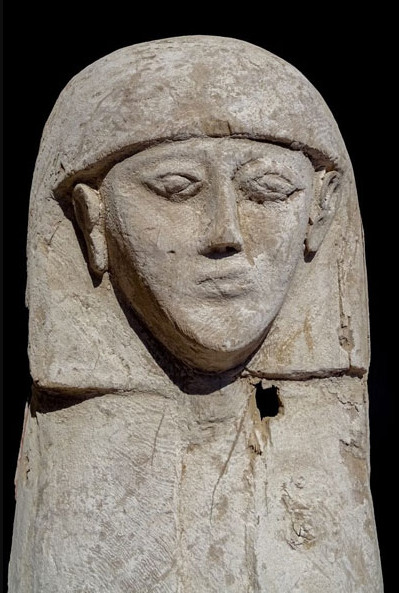
ويبلغ مقاس التابوت 1.75م في 0.33 م، وتم صنعه من الخشب من قطعة واحدة من شجر الجميز، وتم طلائه بطبقة من الملاط الأبيض، بينما تم طلائه من الداخل باللون الأحمر.
The sarcophagus measures 1.75 m by 0.33 m, and was made of wood from a single piece of sycamore tree, and was coated with a layer of white mortar, while the interior was painted in red.

وفي داخل التابوت، عثر على مومياء لفتاة تبلغ من العمر 15 أو 16 سنة، ملقاة على جنبها الأيمن، في حالة سيئة من الحفظ، ترتدي حلقتين في أحد أذنيها بشكل حلزوني ومغلفة بورقة معدنية رقيقة، وقد تكون نحاسية.
Inside the coffin, a mummy was found for a 15- or 16-year-old girl, lying on her right side, in a poor state of conservation. She wore two rings in one of her ears in a spiral shape and was wrapped in a thin, possibly copper-plated sheet.

وأضاف رئيس الإدارة المركزية لآثار مصر العليا، محمد عبد البديع، أن البعثة عثرت على 4 قلادات مربوطة ببعضها البعض بمشبك خزفي على صدر المومياء؛ القلادة الأولى يبلغ طولها 70 سم، وهي تتكون من خرز دائري مزخرف باللون الأزرق الداكن والفاتح.
The head of the Central Department of Upper Egypt Antiquities, Mohamed Abdel-Badi, added that the mission found 4 necklaces bound together with a ceramic clip on the mummy chest; the first necklace is 70 cm long, and it consists of circular beads decorated in dark blue and light.

أما القلادة الثانية فيبلغ طولها 62 سم، وهي مصنوعة من القيشاني الأخضر والخرز الزجاجي، أما القلادة الثالثة فهي الأكثر جمالا
ويبلغ طولها 61 سم، وهي مصنوعة من 74 قطعة تجمع بين حبات الامتيست والكورنيلي والكهرمان والزجاج الأزرق والكوارتز.
The second necklace is 62 cm in length and is made of faience green and glass beads. The third necklace is the most beautiful and has a length of 61 cm. It is made of 74 pieces that combine amethyst, corneli, amber, blue glass, and quartz beads.

كما تحتوي على جعرانين، واحد منهما علي هيئة الإله حورس، و 5 تمائم من القيشاني، وتتكون القلادة الرابعة من عدة سلاسل من خرز القيشاني مرتبطة ببعضها البعض بحلقة تجمع بين جميع الخيوط.
It also contains two scarabs, one in the form of the god Horus, and 5 amulets from faience, and the fourth necklace consists of several chains of faience beads bound together by a ring that combines all threads.
وفي الجانب الآخر من المقصورة تم العثور على تابوت صغير مصنوع من الطين، مغلقا ومربوطا بسلسلة، بداخله 4 تمثيال أوشابتي خشبية ملفوفة بلفائف كتانية، مكتوب على أحدهما كتابة هيراطقية تحدد أسم صاحبه "أوزيريس جحوتي"، الذي عاش في الأسرة السابعة عشر (حوالي 1600 قبل الميلاد).
On the other side of the cabin, a small sarcophagus was found, enclosed and bound by a chain, inside which there are 4 wooden ochbeat representations wrapped in linen scrolls, written on one of them a hieratic script that identifies the name of its owner, Osiris Jahouti, who lived in the seventeenth family (circa 1600 BC).

وأشار رئيس البعثة الدكتور جالان، إلى أن البعثة توصلت أيضا في نفس المنطقة، إلى بئر للدفن بداخله زوج من الصنادل الجلدية مصبوغة باللون الأحمر الزاهي، وزوج من الكرات الجلدية مربوطة ببعضها البعض بخيوط، تعود إلى الأسرة السابعة عشر، وزوج من القطط، ووعل ووردة . جميعهم في حالة جيدة من الحفظ.
The head of the mission, Dr. Jalan, indicated that the mission also reached a burial well inside a pair of leather sandals dyed in bright red, a pair of leather balls tied to each other with threads, belonging to the seventeenth family, and a pair of cats, a caribou and a rose. all of them In good condition.

ومن المرجح أن تلك الأشياء تخص امرأة كانت تستخدمهم للرياضة أو كجزء من الرقص، وذلك وفقا لتصويرات الحياة اليومية في مقابر بني حسن من الأسرة الثانية عشرة.
It is likely that these things belonged to a woman who was using them for sports or as part of dancing, according to the depictions of daily life in the tombs of Bani Hassan of the Twelfth Dynasty.


